
Food Professionals – K-12
Why peanuts in schools?
Keeping kids safe and well-fed is the goal. Removing peanuts from the menu? Not the solution. Research — backed by the CDC and the American Academy of Allergy, Asthma and Immunology — shows that smart allergen management is the safer, more effective approach.
Peanuts have earned their place in school meals. They’re nutritious, budget-friendly, versatile and genuinely loved by kids. With the right protocols in place, schools can serve peanuts confidently — and make sure every student feels included.

Why peanuts in schools?
Peanuts are a staple in school meals, offering nutrition, versatility and affordability that students enjoy. By following best practices, schools can safely serve peanuts and ensure inclusivity for all students.
We all know school districts want to keep their students safe and serve nutritious meals to foster their development and academic performance. Removing peanuts from menus isn’t the solution.
Research shows allergen management is the safer, more effective approach, endorsed by experts and organizations like the Centers for Disease Control and the American Academy of Allergy, Asthma and Immunology.
Food Professionals
How to Manage Peanut Allergies in Schools
Managing food allergies in schools requires a compassionate and evidence-based approach. The following research studies explore common practices and environments, including touching or smelling peanut products, and the level of risk for people with peanut allergies. You also will find a new operator guide for foodservice operators sharing best practices on how to safely serve peanuts.
Can casual contact present an extremely low risk for anaphylaxis?
A study of 30 peanut allergic children who smelled peanut butter for 10 minutes resulted in zero reactions. Skin contact in this study also resulted in zero life-threatening reactions; redness and irritation occurred for some where the peanut butter touched the skin. (Simonte S., 2003)
Further research found washing hands with soap and water, and using common household cleaners on surfaces, can remove peanut proteins to mitigate cross contact. (Perry T., 2004)
More recently, allergists documented their practices of placing peanut butter in close proximity to peanut allergic patients to show them just being near peanut foods does not cause anaphylaxis. Similarly, they applied peanut butter to the skin of allergic patients. In the article, the clinicians reported none of their patients has experienced a systemic reaction and only one had a hive at the site of application (Dinakar C., 2016).
Why are peanut bans medically unnecessary — and why don’t they work?
Banning peanuts from schools does not reduce the risk of food allergy reactions. In a study of 567 food allergy reactions in a Canadian pediatric cohort, 4.9% of reactions occurred in “peanut-free” schools compared to 3% in schools that allow peanut foods. Authors warned about a false sense of security when foods are banned (Cherkaoui S., 2015).
Banning peanuts does not reduce the use of epinephrine in schools. According to a study of schools in Massachusetts, schools with policies that restricted peanut foods from being brought from home, served in the school cafeteria or in the classroom did not reduce the use of epinephrine to treat food allergy reactions compared to schools that did not have peanut-free policies (Bartnikas L., 2017).
Experts do not recommend bans to manage food allergies. According to guidance on the role of the allergist in school food allergy management, there is no evidence that supports bans as a way to reduce the risk of reactions. They also can increase the burden on schools and students, while creating a false sense of security. Finally, they are impractical when multiple allergenic foods are banned (Wang J., 2018).
What are peanut allergy best practices?
Start with the experts — refer to the CDC’s Voluntary Guidelines for Managing Food Allergies in Schools and Early Child Education.
Focus on training — everyone who provides oversight, care and services for a food-allergic student should be trained on identifying symptoms of a reaction and how to respond. That means foodservice, teachers, bus drivers and after-school staff, plus any others with direct student supervision.
Be prepared for reactions — as the evidence proves, nothing completely prevents reactions from happening. Be sure every food-allergic student has an emergency anaphylaxis plan, access to emergency medication and that everyone knows what to do in case of an allergic reaction.
Create a supportive community — communicate your food allergy management plans early and often with parents and stakeholders. Let them know you take allergies seriously and that you are “allergy aware.” Consider allergen-safe tables in cafeterias since they did reduce the risk of epinephrine use in one study (Bartnikas L., 2017).
Resources
Advice and best practices for managing food allergies in schools are based on evidence, science and real-world experience. Here you will find free handouts to share with your team and school community that advise the do’s and don’ts as well as guidance and experience from school nutrition leaders and allergy experts.
Preparing All Purpose Peanut Sauce in School Foodservice
School nutrition pros can take peanut butter beyond the classic PB&J and add a tasty element to a variety of dishes with this simple recipe for all-purpose peanut sauce.
Early Introduction & Prevention FAQs
Temp answer
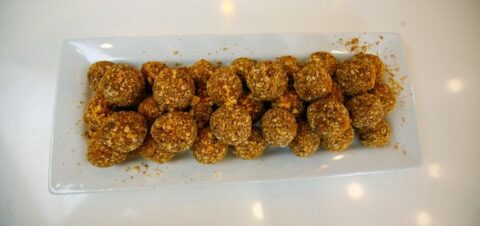
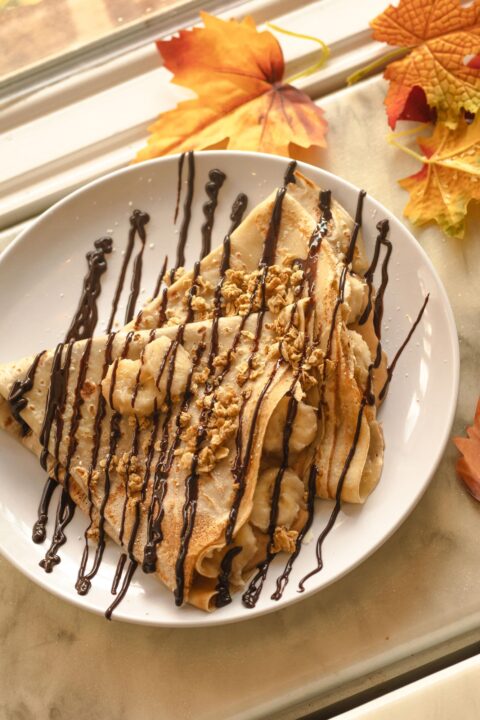
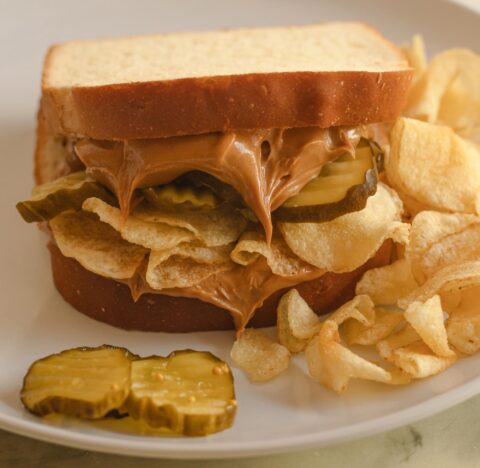
School-Friendly Recipes
References
- Simonte S, M. S. (2003). Relevance of casual contact with peanut butter in children with peanut allergy. J Allergy Clin Immunology, 180-182.
- Perry T, e. a. (2004). Distribution of peanut allergen in the environment. J of Clin Immunology, 973-976.
- Dinakar C., S. J. (2016). The transforming power of proximity food challenges. Annals of Allergy, Asthma & Immunol, 135-137.
- Cherkaoui S., B. M. (2015). Accidental exposures to peanut in a large cohort of Canadian children with peanut allergy. Clinical and Translational Allergy.
- Bartnikas L., H. M. (2017). Impact of school peanut-free policies on epinephrine administration. J Allergy Clin Immunol, 467-473.
- Wang J., B. T. (2018). The Allergist’s Role in Anaphylaxis and Food Allergy Management in the School and Childcare Setting. JACI-In Practice, 427-435.
- https://www.cdc.gov/healthyschools/foodallergies/ pdf/20_316712-A_FA_guide_508tag.pdf
- Bartnikas L., H. M. (2017). Impact of school peanut-free policies on epinephrine administration. J Allergy Clin Immunol, 467-473.
- Cherkaoui S., B. M. (2015). Accidental exposures to peanut in a large cohort of Canadian children with peanut allergy. Clinical and Translational Allergy.
- Bartnikas L., H. M. (2017). Impact of school peanut-free policies on epinephrine administration. J Allergy Clin Immunol, 467-473. National Academies of Sciences, Engineering, and Medicine; Health and Medicine Division; Food and Nutrition Board; Committee on Food Allergies. (2017). National Academies Press. Retrieved from https://www.nap.edu/catalog/23658/finding-a-path-to-safety-in-food-allergy-assessment-of
- https://www.nap.edu/resource/23658/Food-Allergies-message.pdf
- https://www.cdc.gov/healthyschools/foodallergies/pdf/20_316712-A_FA_guide_508tag.pdf
- Bartnikas L., H. M. (2017). Impact of school peanut-free policies on epinephrine administration. J Allergy Clin Immunol, 467-473.
- Simonte S, M. S. (2003). Relevance of casual contact with peanut butter in children with peanut allergy. J Allergy Clin Immunology, 180-182.
- Perry T, e. a. (2004). Distribution of peanut allergen in the environment. J of Clin Immunology, 973-976.
- Dinakar C., S. J. (2016). The transforming power of proximity food challenges. Annals of Allergy, Asthma & Immunol, 135-137.